
The Reality of Borrowing Cash in the Lone Star State
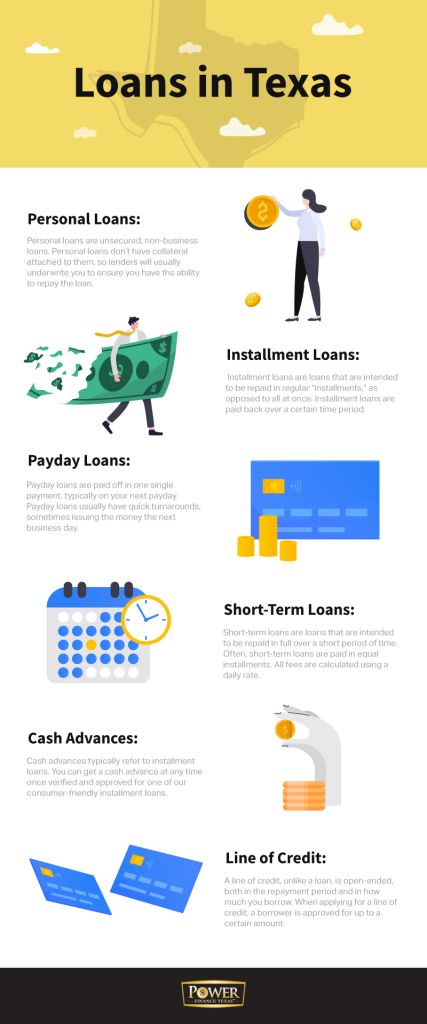
Most people think that getting a personal loan in Texas means spending a week driving between branches of big banks in Austin or Dallas, sitting in uncomfortable lobby chairs, and begging a loan officer to look past a slightly bruised credit score. They think the process is a slow, bureaucratic grind that requires physical paperwork and a mountain of notary stamps. That idea is dead.
If you want to borrow money in Texas right now, you have much better options than walking into a brick-and-mortar building. The fastest way to secure funding is to compare rates online from your couch, looking at everything from local credit unions to national digital lenders, and then choosing the one that won’t bleed you dry with interest. You can find the best personal loans in Texas by sorting through providers based on their APR, the total amount they’ll lend you, and the specific terms they offer.
The market is massive. Whether you are trying to fix a broken AC unit in July or consolidating a stack of high-interest credit card debt, the availability of capital depends entirely on how you shop. You aren’t stuck with the first offer you see on a billboard.
Navigating the Credit Score Minefield
Not everyone enters the lending market with a pristine 800 score. The truth is, a significant chunk of Texans are working with “fair” or “subprime” credit, and they need to know which lenders won’t immediately reject their application. If your score is sitting in the 500s or low 600s, your options change instantly. You won’t be looking at the lowest possible APRs, but you can still find liquidity if you know where to look.
Traditional banks are notoriously picky. They want stability, high income, and a spotless history. If you walk into a major national bank with a 620 score, expect a polite “no” or an interest rate that makes your eyes water. However, the digital era has changed the math. Peer-to-peer (P2P) lenders and specialized online lenders have carved out a niche by looking at more than just that single three-digit number.
You can find personal loans in Texas for all credit types by specifically targeting lenders that use “alternative data.” This might include your rent payment history or your utility bill consistency. It’s a different way of measuring risk, and it’s a lifeline for people who are trying to rebuild their financial lives without getting crushed by predatory payday lenders.
But don’t assume a “yes” is a victory if the terms are garbage. A loan is a tool, but it can also be a trap. If you are borrowing to pay off debt, ensure the new loan’s interest rate is actually lower than what you’re currently paying. Otherwise, you are just moving numbers around on a screen while making yourself poorer over time.
| Credit Tier | Likely Lender Type | Expected APR Trend |
|---|---|---|
| Excellent (720+) | Credit Unions & National Banks | Lowest available |
| Good (660-719) | Online Lenders & Big Banks | Competitive/Moderate |
| Fair (620-659) | Specialized Online/P2P | Higher/Variable |
| Poor (<620) | Subprime Specialists | Very High |
The Speed vs. Cost Tradeoff
Speed is the siren song of the modern lender. We see it everywhere: “Get cash in 24 hours!” or “Instant approval!” It sounds great when your car’s transmission just died on I-35 and you need to get to work on Monday. Many companies, like those listed on Acorn Finance, promise you can see personalized Texas loan rates in about 60 seconds without even hitting your credit score first. This “soft pull” is a lifesaver because it lets you shop without the penalty of a hard inquiry.
But there is a catch, and it’s often a big one. Speed usually comes at a premium. The lenders that move the fastest are often the ones that take the most risk, and they charge you for that risk in the form of higher interest rates or upfront origination fees. If you need money *today*, you might pay an extra 5% or 10% in interest over the life of the loan just to avoid the hassle of a longer application process.
And if you find yourself rushing into a loan just to solve an immediate problem, stop and breathe for a second. It is very easy to get caught in a cycle of quick fixes where you take a high-interest loan to pay a bill, which leads to another loan, which eventually leaves you drowning in a sea of monthly payments that you can never actually outrun, regardless of how many small, quick loans you take to keep your head above water.
We suggest checking multiple sources. Don’t just look at the first result on a search engine. A local Texas credit union might take two days longer to process your paperwork, but they might save you thousands of dollars over a three-year term. In the world of lending, time is money, but slow is often cheaper.
Local Credit Unions vs. The Big Players
Texas has a massive network of credit unions, and for many, these are the gold standard. Unlike big national banks that answer to distant shareholders, credit unions are member-owned cooperatives. This structural difference means they often care more about your local standing and your specific financial situation than a massive algorithm in a skyscraper in New York or Charlotte. They often offer lower rates on unsecured loans and more flexibility for debt consolidation.
However, the “big players”—the massive national banks and the aggressive online lenders, have their own advantages. They have massive capital reserves and can process applications with an efficiency that a small local branch simply cannot match. If you are looking for a massive lump sum to consolidate several different debts, a national online lender might have the scale to handle it more smoothly than a local branch that has strict lending limits per person.
The choice often comes down to your specific needs. Are you looking for a personalized relationship where you can actually talk to a human being if things go sideways? Then look for a local Texas bank or credit union. Are you looking for a quick, digital-first experience where you can compare 120 different options in an afternoon? Then use a comparison tool to find the best digital fit.
The “best” lender changes depending on the month. Rates fluctuate based on the Federal Reserve and the general economic temperature. What was a good deal in January might be a terrible deal in August. This is why checking current rates is mandatory before you sign anything.
Avoiding the Debt Trap in the Lone Star State
Texas is a land of opportunity, but it’s also a land where predatory lending can hide in plain sight. It is vital to distinguish between a legitimate personal loan and a “predatory” product. If a lender asks for a massive upfront fee before you ever see a cent of your loan, run. If they won’t tell you the total cost of the loan, including all fees, upfront, run faster.
Debt consolidation is the most common reason people seek personal loans in Texas. If you are using a loan to pay off a 29% APR credit card, you are doing the right thing, provided the new loan is significantly cheaper. If you take a personal loan at 18% to pay off a 24% card, you’ve won. If you take a personal loan at 22% to pay off a 19% card, you are just losing money while feeling like you’ve made progress. It’s a psychological trick that many people fall for.
Watch out for the “revolving” trap. Some lenders offer lines of credit rather than lump-sum loans. These can be useful, but they can also lead to a situation where you are constantly borrowing against your credit limit, never actually paying down the principal, and essentially living on a permanent, high-interest leash. Always look for a “closed-end” installment loan if your goal is to actually kill a debt once and for all.
Finally, always read the fine print regarding prepayment penalties. Some lenders want to make sure they get their interest, so they charge you a fee if you try to pay the loan off early. In a state like Texas, where many people see significant windfalls or seasonal income changes, having the ability to pay off your debt ahead of schedule without being penalized is a massive advantage.
The Texas loan market is wide and varied. You have the freedom to choose between the speed of an online app and the stability of a local credit union. Just make sure you are the one in control of the math, not the other way around. texasloanstoday.com covers this in more detail.
A few things readers ask
What are the requirements for getting a personal loan in Texas?
Applicants typically need to be at least 18 years old, have a valid Texas ID, a steady income source, and a social security number for credit verification.
Can I get a personal loan in Texas with bad credit?
Yes, many Texas lenders offer secured personal loans or specialized credit builder products designed for borrowers with low credit scores.
Are there specific state regulations for personal loans in Texas?
Yes, lenders must comply with the Texas Finance Code, which regulates interest rates, collection practices, and consumer protection disclosures.
How long does it take to receive personal financing in Texas?
Approval can be instant, but funds are typically disbursed within one to five business days depending on the lender and the bank's processing time.
What is the maximum amount I can borrow with a personal loan in Texas?
Loan amounts vary by lender, but they typically range from $1,000 to $50,000 based on your creditworthiness and income levels.
